
Reusable Postpartum Pads
Reusable postpartum pads for the weeks after giving birth, once the bleeding has eased but still has a way to go. The 12-inch Super Pad holds about as much as 4 disposable pads, and its dark side keeps night-time stains out of sight. For the early weeks at home, the 10-inch Maxi Pad has a light side, so you can see your flow. Both are cloth postpartum pads with bamboo terry against your skin and wings that snap shut. The Super Pad takes light bladder leaks too, which can carry on after the bleeding stops.
Postpartum Pad Sets
A set works out cheaper per pad than singles. Add a second and the price drops again.
-
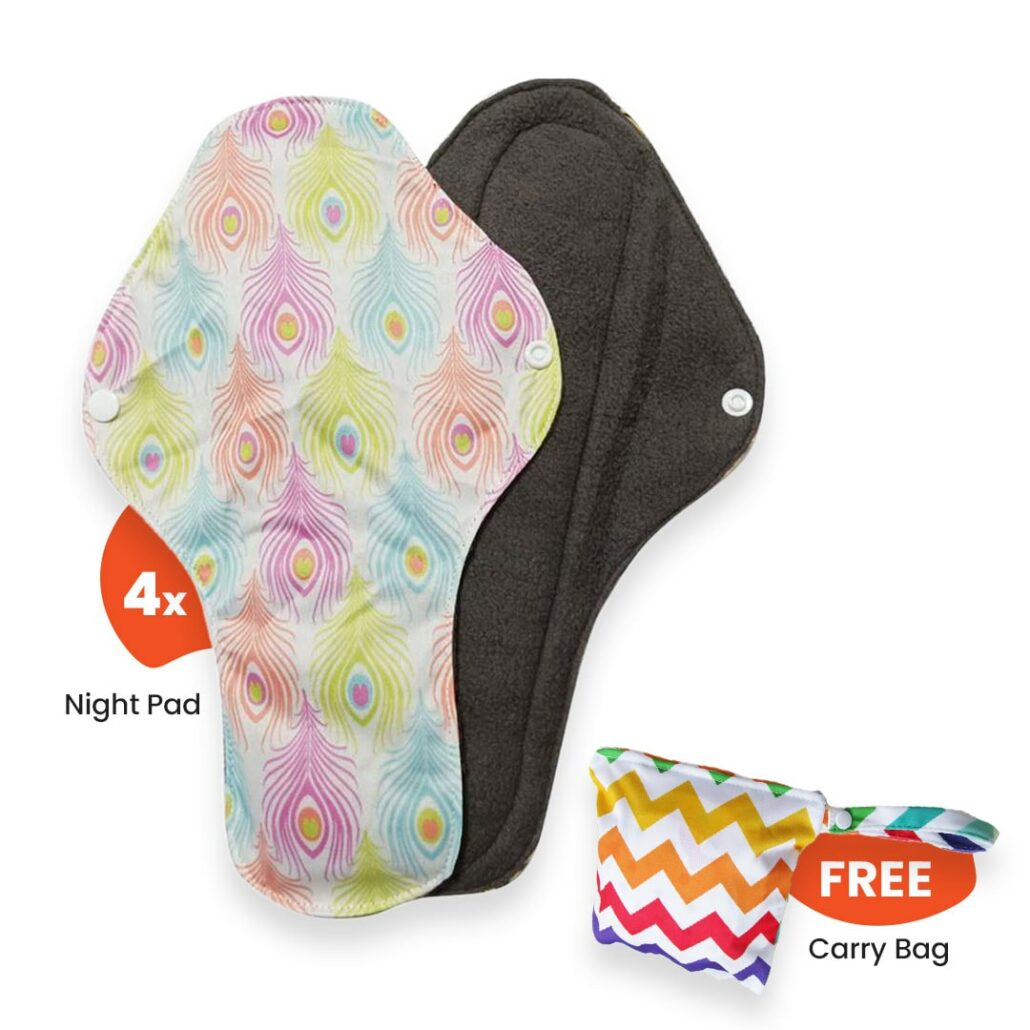
Super Pads Set (4-Pack + FREE Carry Bag)
$49.95 $169.95Price range: $49.95 through $169.95 -
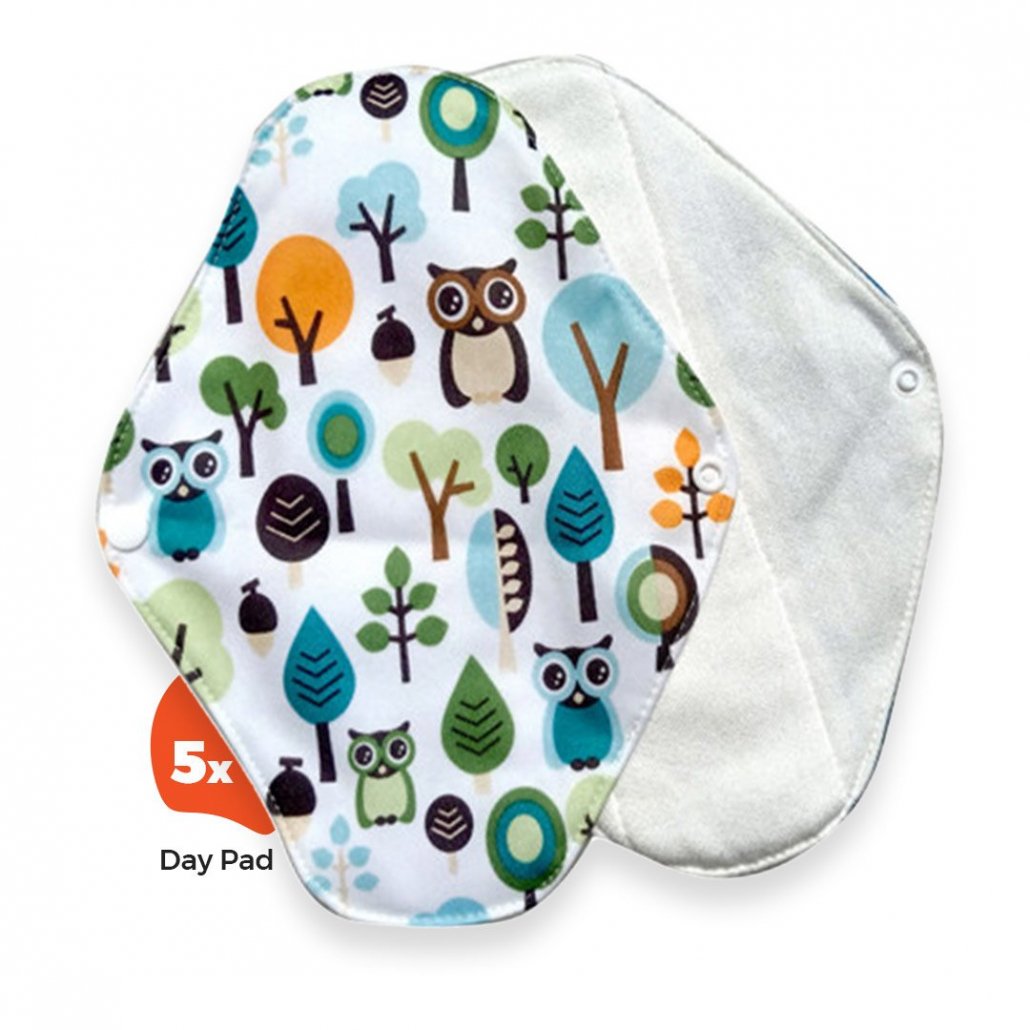
Maxi Pads Set
(5-Pack)$49.95 $164.95Price range: $49.95 through $164.95 -

Liners + Maxi Pads Set (5+5+FREE Carry Bag)
$89.95 $304.95Price range: $89.95 through $304.95
Single Postpartum Pads
Buying before the baby comes? Try one Super Pad or Maxi Pad now and see how it feels.


When to switch to reusable pads
Give it a week or two. Cleveland Clinic says that for at least the first three to four days you can expect to soak one thick maxi pad every two to three hours, which is more than we’d ask of any cloth pad. An OB-GYN quoted by What to Expect goes further. She advises against reusable pads for the first one to two weeks, because the risk of infection is higher then.
So keep the hospital pads for that stretch. Once your bleeding feels more like a heavy period, switch. It can go on for up to six weeks, and that adds up to a lot of disposables.
Which pad for which week?
| Pad | Length | Holds about | Absorbent side | Best for |
|---|---|---|---|---|
| Maxi Pad | 10 in | 3 tampons’ or disposable pads’ worth | Light | Your first weeks at home, while you still want to see the color of your flow |
| Super Pad | 12 in | 4 tampons’ or disposable pads’ worth | Dark | Nights, heavier days once you’ve stopped checking color, and light to moderate bladder leaks |
| Extended Liner | 8.7 in | 2 tampons’ or disposable liners’ worth | Dark (charcoal bamboo) | The last weeks, when it’s mostly spotting |
A light pad sounds like the wrong choice for bleeding. Early on, though, your midwife or doctor may ask what it looks like, and a light pad lets you answer. By the later weeks nobody’s asking. Stains are the bigger worry by then, and a dark side hides them.
Stitches and C-sections
Tampons and cups are off the table either way. The NHS says to wait until after your 6-week check. That leaves pads. Ours have soft bamboo terry on top instead of a plastic surface, which matters to women with stitches who’ve felt plastic-topped pads catch and rub.
How many, and how often?
Change whenever a pad feels full. In the early weeks that may be every few hours, and the gaps get longer as your bleeding slows. For numbers, think about the heaviest day of a period, then add a few pads to cover laundry days. Two sets is a comfortable start. The second one costs less automatically.
Washing with a newborn
You’re already doing more laundry than you thought possible. Pads add very little to it: rinse each one in cold water when you take it off, and keep it in a wet bag until the next load. They go in a normal wash with everything else. Don’t soak them, and leave out the fabric softener, since it cuts absorbency. Our wash and care page has the whole routine.
When to call your doctor
Soaking through a pad in an hour or less is a reason to call your doctor straight away. So are clots the size of a golf ball, a fever, or a bad smell. Cleveland Clinic lists every warning sign.
Bladder leaks after birth
A little leaking when you cough, sneeze or laugh is one of the things nobody warns you about. It’s common, too. In a review of studies on new mothers, about a third had some leaking in the first three months after birth, though for most it didn’t happen every week. It can also outlast the bleeding.
You won’t need a different pad for it. The Super Pad is made for light to moderate bladder leaks as well as heavy flow, so the pads you bought for bleeding keep working afterwards. If leaks turn into an everyday thing, our pads and liners for bladder leaks are worth a look.
Tips and Guides
How To Wash Reusable Pads?
Learn how to wash your reusable pads, increase their lifespan, and save money. We have the best tips on how to get them in tip-top shape.
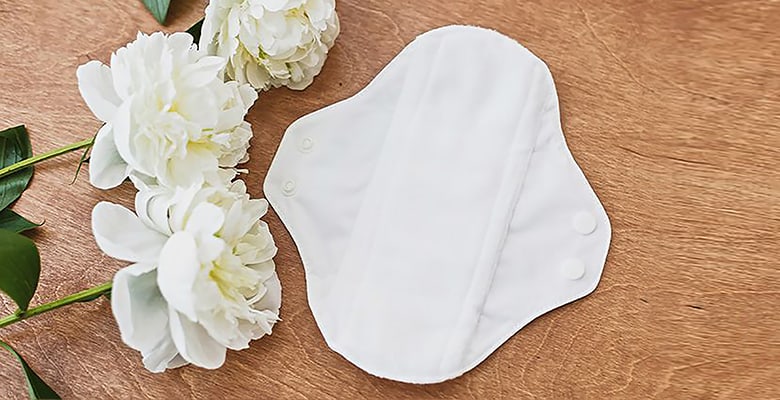
How To Get Smell Out of Reusable Pads?
Here are some points to understand about pads, how they can smell bad in some circumstances, and also suggestions to get that smell out.
How To Use Reusable Pads?
Find out how to use reusable cloth pads, how they work, how many you should use a day, how to make them stay in place and other tips. We also show how to…
Frequently Asked Questions
Can you use reusable pads after birth?
Yes, once the heaviest bleeding has passed. An OB-GYN quoted by What to Expect recommends disposable pads for the first one to two weeks, because infection risk is higher then. After that, cloth pads can see you through the rest of postpartum bleeding.
How long does postpartum bleeding last?
Up to six weeks, according to Cleveland Clinic, and some people see traces for up to eight. It starts heavy and red. After a few days it turns pinkish brown, and it finishes as a light, yellowish discharge.
What’s the difference between postpartum pads and regular pads?
Size and capacity. Postpartum pads are longer and hold more, because bleeding after birth is heavier than most periods. From the second week or so, our 12-inch Super Pad covers what a heavy period pad would.
When can I use tampons or a menstrual cup again?
When your doctor or midwife gives the go-ahead, which is usually at your 6-week check. Until then there’s still a wound where the placenta was attached, and the NHS warns that tampons could raise your chance of infection.
Are cloth pads OK with stitches or after a C-section?
Yes. Like any pad, they sit outside your body. The layer against your skin is soft bamboo terry rather than plastic, and some women with stitches find that more comfortable.
Should I get a light or dark pad for postpartum?
Ideally one of each, for different weeks. Early on, a light pad like the Maxi Pad shows you the color of your bleeding. Later, the dark absorbent side of the Super Pad or Extended Liner keeps stains hidden.
How many reusable pads do I need after birth?
That depends on your flow and how often you wash. Count what you’d use on the heaviest day of a period, then add a few so a clean pad is always ready while others dry.
Can I use postpartum pads for bladder leaks?
Yes. The Super Pad handles light to moderate bladder leaks as well as bleeding, so one set covers both. Leaks after birth are common and can carry on once the bleeding has stopped. If they’re still happening at your 6-week check, mention them to your doctor or midwife.
When should I worry about postpartum bleeding?
Call your doctor if you soak through a pad in an hour or less, pass clots the size of a golf ball, or have a fever or a bad smell. Any of these can mean heavy bleeding or an infection.