
Rated 4.8 from 123 reviews ⭐⭐⭐⭐⭐
Eco-Friendly Period Pads
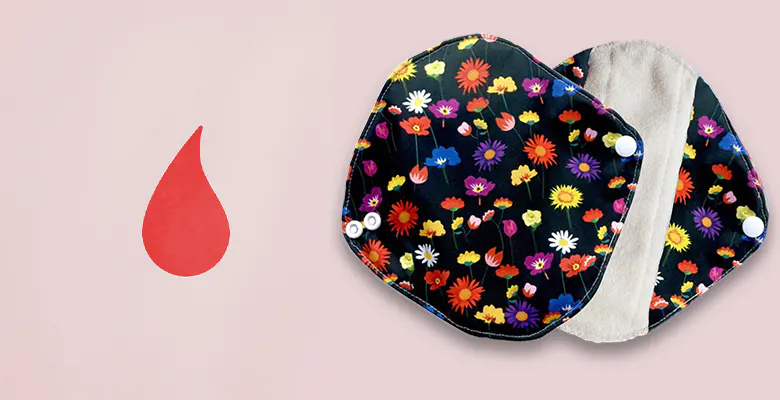
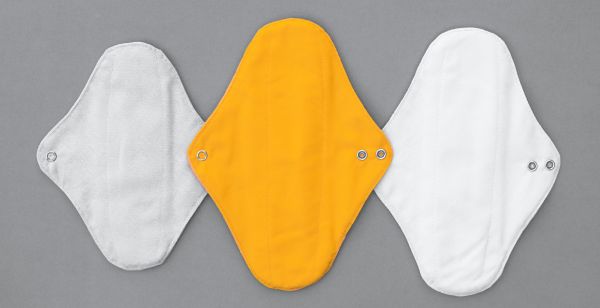
The most eco-friendly pad is the one you don’t throw away. Soft bamboo terry, wing snaps, 5+ years of wear from each pad. One set does the job of hundreds of disposables.
Reusable Period Pad Sets
Sets start at $44.95, and a second set brings the price down automatically.
-

Liners Set (5-Pack + FREE Carry Bag)
$44.95 $144.95Price range: $44.95 through $144.95 -
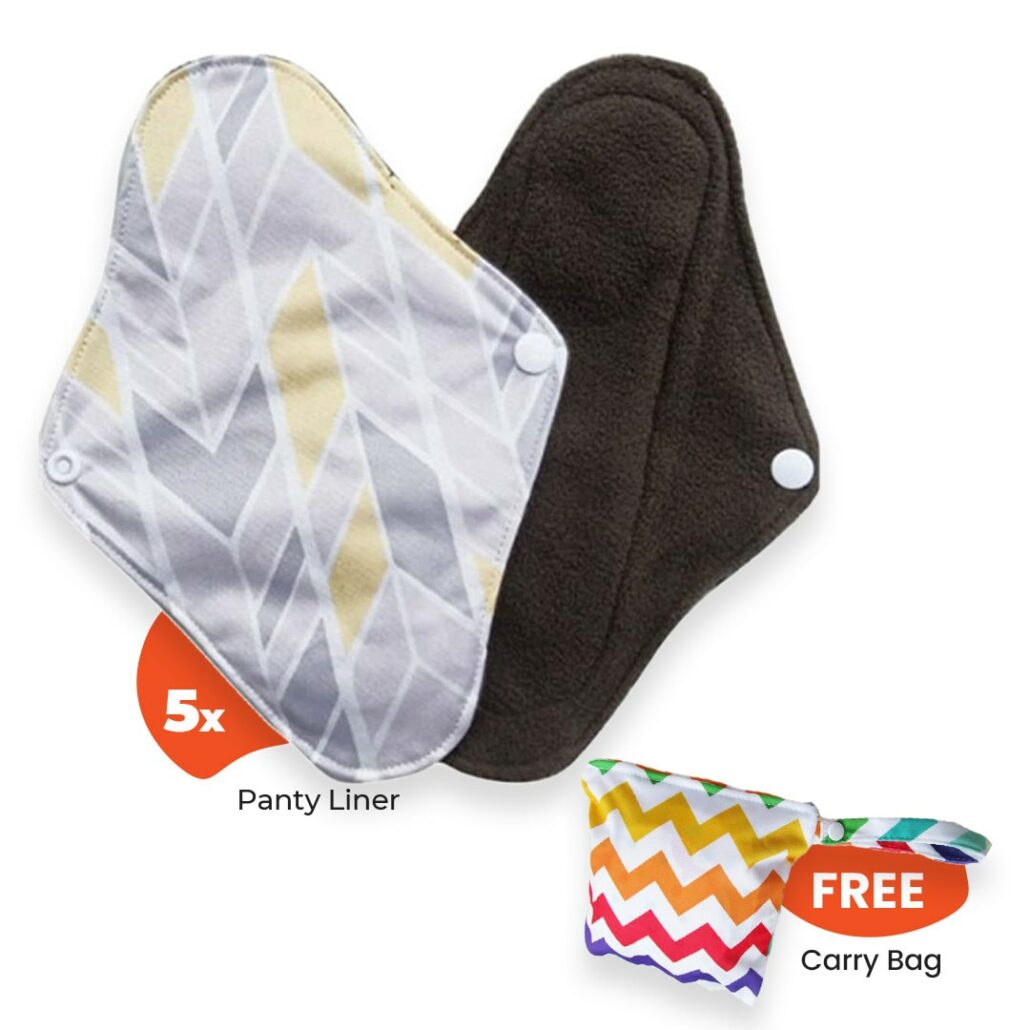
Extended Liners Set (5-Pack + FREE Carry Bag)
$44.95 $144.95Price range: $44.95 through $144.95 -
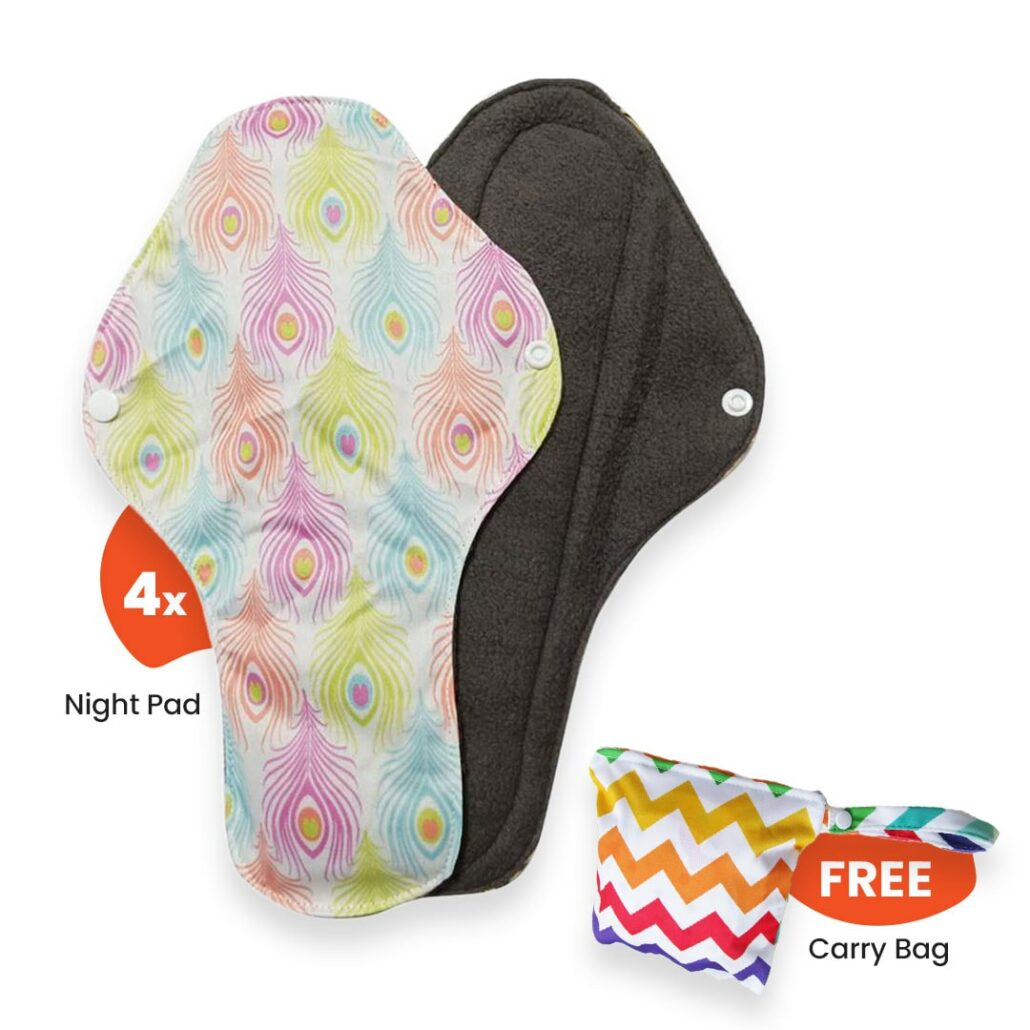
Super Pads Set (4-Pack + FREE Carry Bag)
$49.95 $169.95Price range: $49.95 through $169.95 -
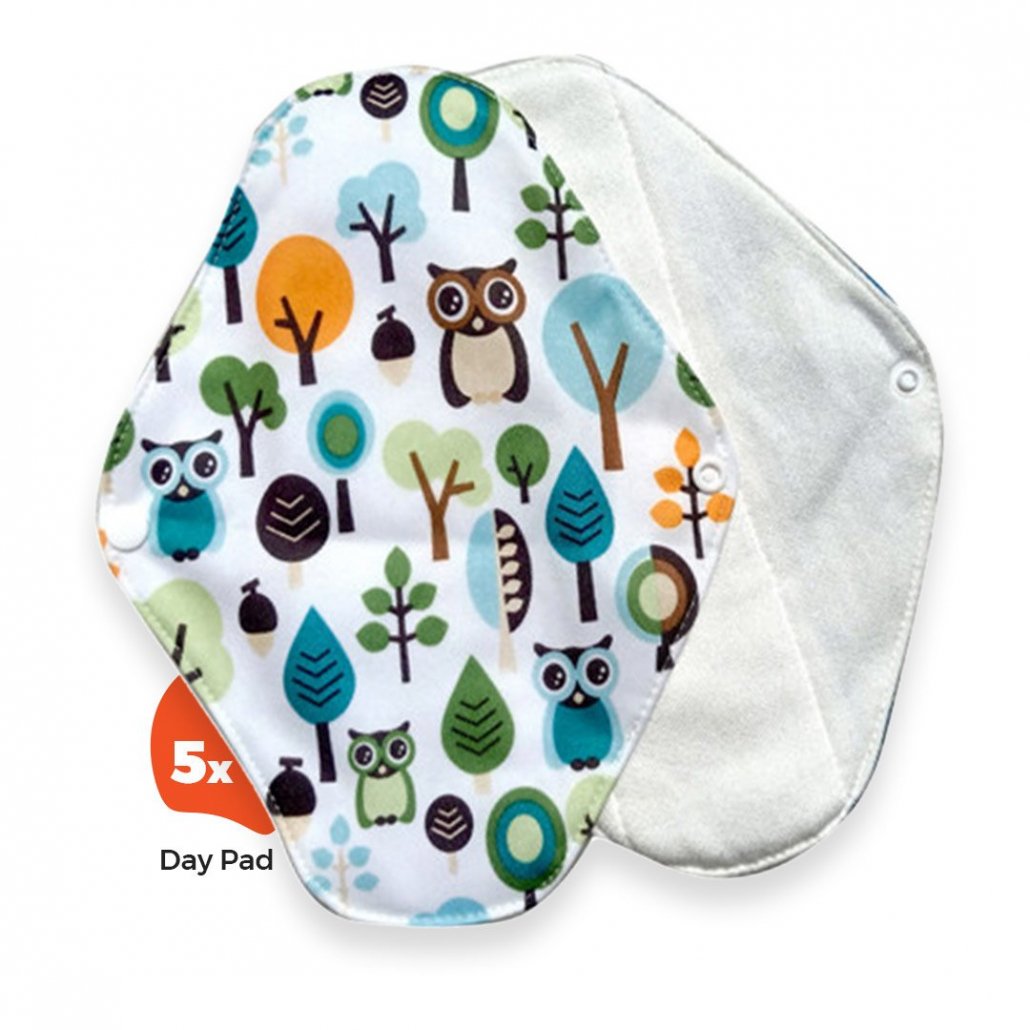
Maxi Pads Set
(5-Pack)$49.95 $164.95Price range: $49.95 through $164.95 -

Thin Reusable Panty Liners Set (5-Pack)
$24.95 $89.95Price range: $24.95 through $89.95 -

Liners + Maxi Pads Set (5+5+FREE Carry Bag)
$89.95 $304.95Price range: $89.95 through $304.95 -

Solid Black Liners Set (6-Pack + FREE Carry Bag)
$44.95 $149.95Price range: $44.95 through $149.95 -

Mixed Solid Colors Liners Set (6-Pack + FREE Carry Bag)
$44.95 $149.95Price range: $44.95 through $149.95
Single Reusable Pads & Liners
Every pad and liner in the range, sold one at a time.
-
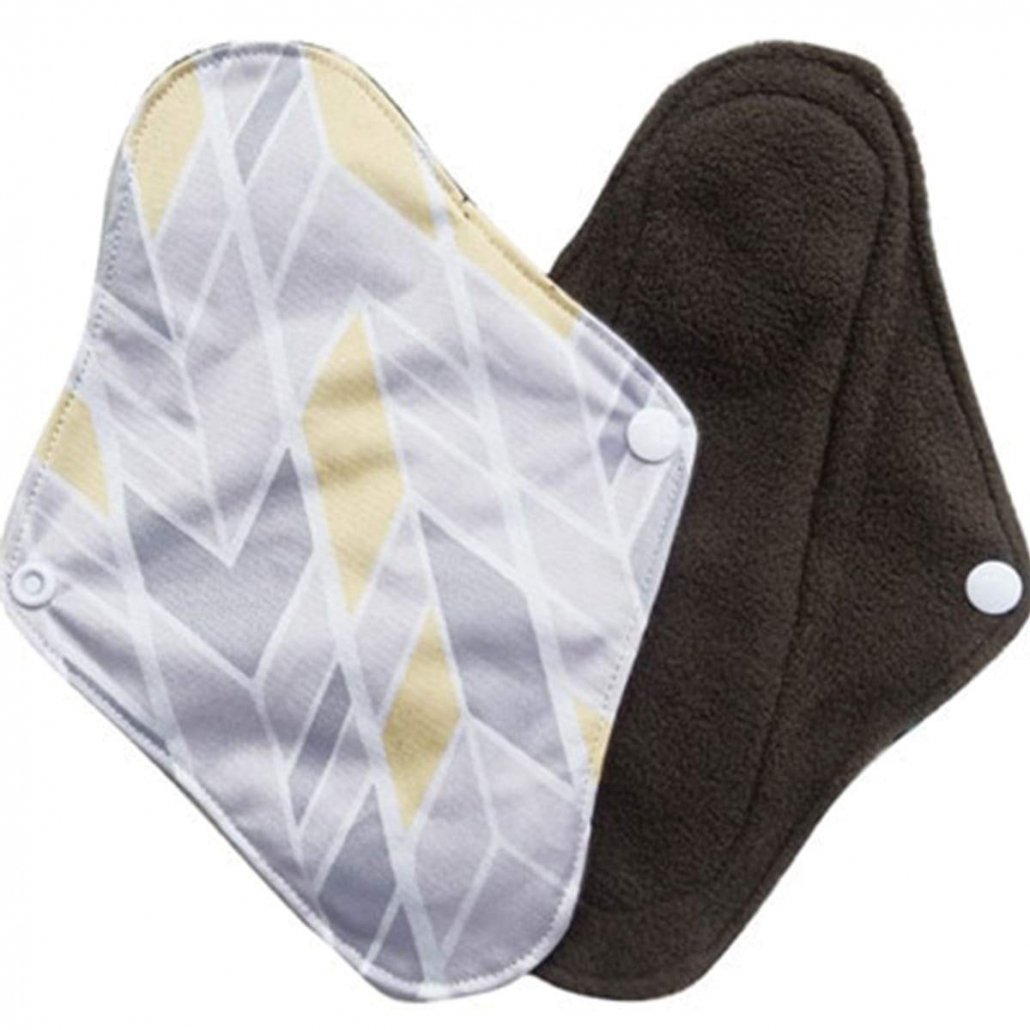
Extended Liner
$14.95 -

Super Pad
$24.95 -

Liner
$14.95 -

Maxi Pad
$19.95
Why reusable is the greener choice
Compostable and plant-based disposables beat plain plastic, no argument there, but every one of them still gets made, packed, shipped and thrown out after a few hours of wear, month after month. A reusable pad is made once. That’s the difference.
Rough math: 4 pads a day over a 5-day period is 20 a cycle. That’s about 240 a year, and around 1,200 in five years. One set of reusable pads covers the same five years and isn’t done yet.
We won’t lecture you about landfills. If the planet is your reason, great. Most women switch because the pads feel better and cost less in the long run, and the smaller trash bag comes along for free.
What our pads are made of, and what they aren’t
“Plastic-free” and “100% natural” get thrown around a lot in this category. So, plainly:
- Against your skin: bamboo terry.
- Inside the pads: a polyester core that holds the flow.
- Underneath, on every pad and liner: a waterproof backing, a laminate called PUL, to keep the flow off your underwear.
That backing is a big part of why one pad lasts years rather than hours. What isn’t in there: a plastic top sheet, added fragrance, or bleach.
Looking after them
They don’t need a load of their own. Rinse in cold water, add them to a wash you’re already running with your usual detergent, and hang them or tumble on low. That’s all. Keep bleach and fabric softener away from them and you’ll get the full five years, and more.
Related Categories

Tips and Guides
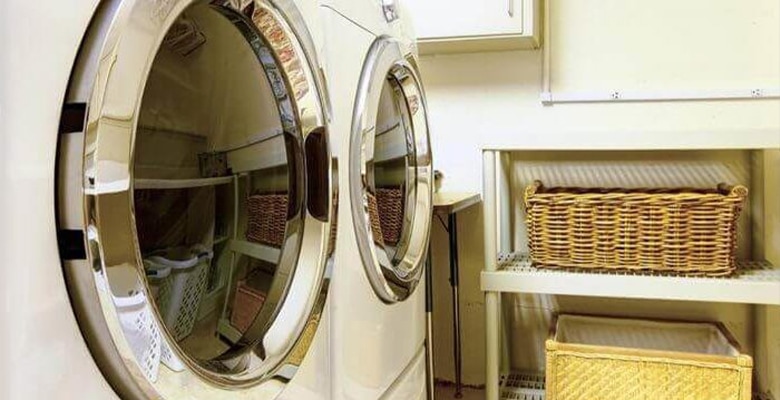
How To Wash Reusable Pads?
Learn how to wash your reusable pads, increase their lifespan, and save money. We have the best tips on how to get them in tip-top shape.
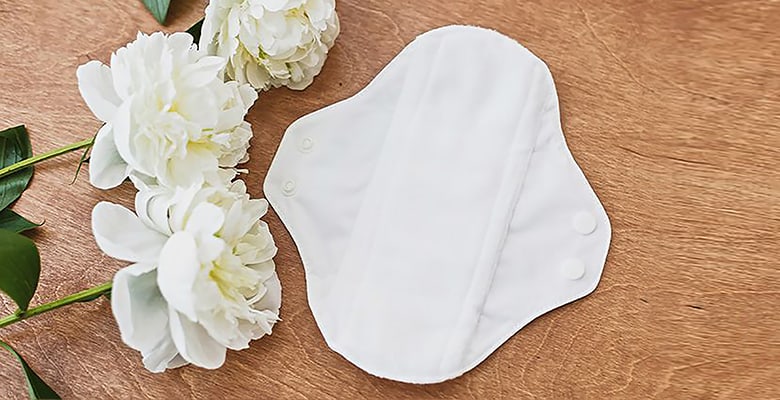
How To Get Smell Out of Reusable Pads?
Here are some points to understand about pads, how they can smell bad in some circumstances, and also suggestions to get that smell out.
How To Use Reusable Pads?
Find out how to use reusable cloth pads, how they work, how many you should use a day, how to make them stay in place and other tips. We also show how to…
Frequently Asked Questions
Are reusable pads really better for the environment?
Over the years you use them, yes, because you buy them once instead of every month. Washing takes water and energy, but they go in with laundry you’re already doing, so there’s no extra load.
What are the disadvantages of reusable pads?
There are a few, and it’s fair to say so. You pay more up front, with sets from $44.95. You rinse and wash them, about 45 seconds a pad, and they need time to dry. And they’re made for periods and light to moderate bladder leaks, not a full bladder.
Are Topsy Daisy pads biodegradable or plastic-free?
No, and we won’t pretend otherwise. The waterproof backing is PUL and the pad core is polyester. They’re built to last 5+ years, not to break down.
Which sanitary pads are free of chemicals?
Everything is made of chemicals, water included, so “chemical-free” is marketing, not a standard. Ask better questions: is there added fragrance? Has it been bleached? Is there plastic against your skin? For our pads the answer to all three is no.
How many reusable pads do I need?
Start with one set and see how you get on. A second set means one can be in the wash while you wear the other, and it comes in cheaper, automatically.
Do reusable pads save money?
Yes. A set starts at $44.95 and each pad lasts 5+ years. Disposables go back on the shopping list every cycle.
What if a reusable pad leaks?
Usually it means the pad was too small for the day. Liners hold about 2 tampons’ or disposable pads’ worth, the Maxi Pad about 3 and the Super Pad about 4, and wing snaps keep each one in place. If they still don’t suit you, you’ve got 60 days to send them back, even used.